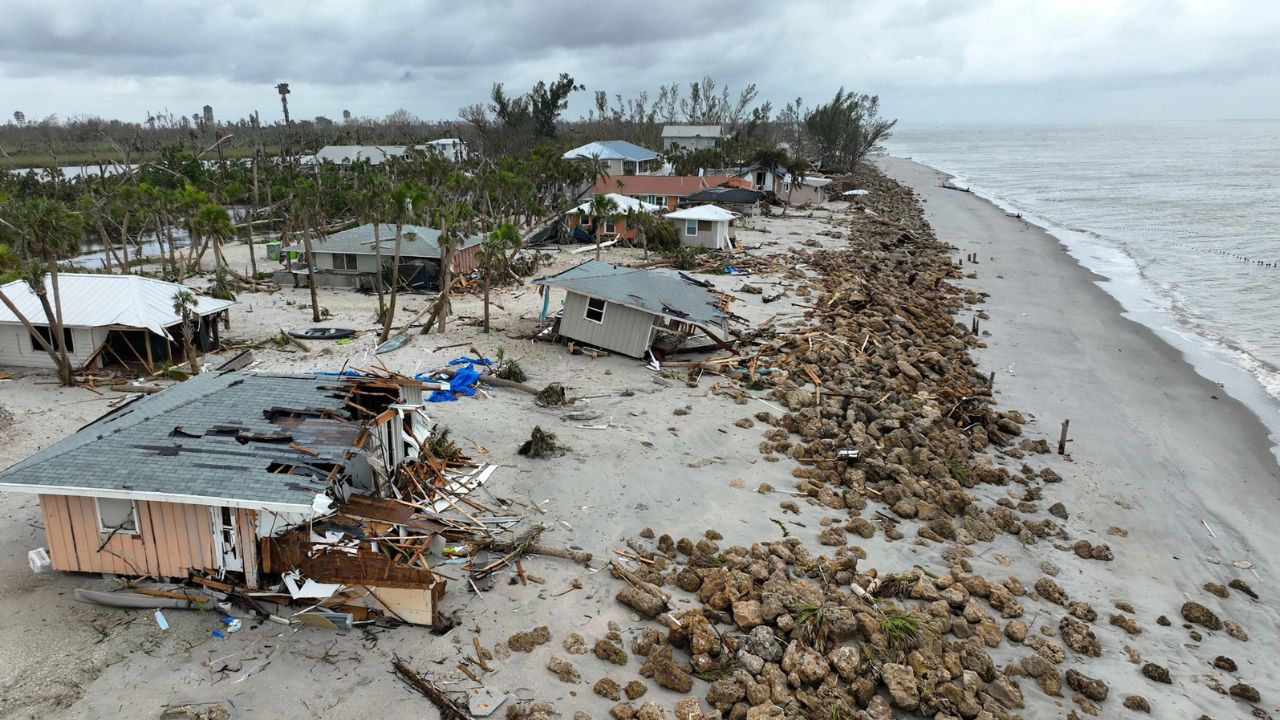
Florida Homeowners Insurance Impact on Mortgage Escrow Payments
Florida – Rising homeowners insurance premiums can increase your mortgage payment even when your interest rate and loan balance never change. For borrowers whose mortgage includes an escrow account, the loan servicer collects insurance premiums alongside property taxes and adjusts the monthly payment whenever insurance costs increase.
This matters most for first-time homebuyers, existing homeowners with escrow accounts, borrowers purchasing homes in coastal counties, and families working within a fixed monthly budget.
Mortgage investors such as Fannie Mae require borrowers to maintain hazard insurance that meets lender requirements, making continuous coverage an important condition of most conventional mortgages. Official guidance is available through the Fannie Mae Selling Guide.
As insurance premiums rise, mortgage servicers conduct an escrow analysis to determine whether enough funds exist to pay future bills. If the account shows a shortage, the servicer may spread the additional amount across future monthly payments or request repayment under applicable servicing rules.
Understanding how escrow works also helps borrowers evaluate other banking products, including high-yield savings options for emergency housing expenses.
Takeaway: Rising insurance costs directly increase escrow payments because lenders must collect enough funds to maintain required homeowners insurance coverage.
Data & Comparison Table
Mortgage payments often receive attention because of interest rates, but escrow expenses can change independently of the loan itself. Florida homeowners may experience payment increases driven entirely by insurance premiums rather than changes in mortgage principal or interest.
| Mortgage Payment Component | Stable Scenario | Higher Insurance Scenario |
|---|---|---|
| Principal | No change | No change |
| Interest | No change | No change |
| Property Taxes | Depends on local assessment | Depends on local assessment |
| Homeowners Insurance | Standard premium | Higher premium increases escrow |
| Monthly Escrow Payment | Lower | Higher |
| Total Monthly Mortgage Payment | Lower overall payment | Higher overall payment |
The table shows that insurance is one of the largest variables inside an escrow account. Even if interest rates remain unchanged, insurance increases alone can produce a noticeable jump in monthly housing costs.
Homeowners who understand how lenders evaluate financial risk may also benefit from learning how federal banking supervision influences financial institutions through FDIC and OCC guidance, particularly when comparing financial products and lender practices.
Takeaway: Escrow payments can rise solely because insurance premiums increase, regardless of whether the mortgage interest rate changes.
Step-by-Step Action Plan
Homeowners should begin by reviewing the annual escrow statement provided by their mortgage servicer and comparing the projected insurance premium with the previous policy amount. The next step is confirming whether the higher monthly payment reflects a future premium increase, an escrow shortage, or both.
Borrowers should then obtain updated insurance documents, review their declarations page, verify property tax estimates, and compare those figures with the escrow analysis issued by the servicer. If payment changes appear inaccurate, homeowners can request a detailed escrow review from their mortgage company while following servicing guidance published by Fannie Mae.
Maintaining an emergency savings reserve can reduce financial pressure when escrow payments increase unexpectedly. Understanding how compound interest builds savings over time may help homeowners prepare for future housing expenses through strategies.
Takeaway: Reviewing escrow analyses, verifying insurance costs, and maintaining savings can help Florida homeowners manage higher mortgage payments caused by rising insurance premiums.