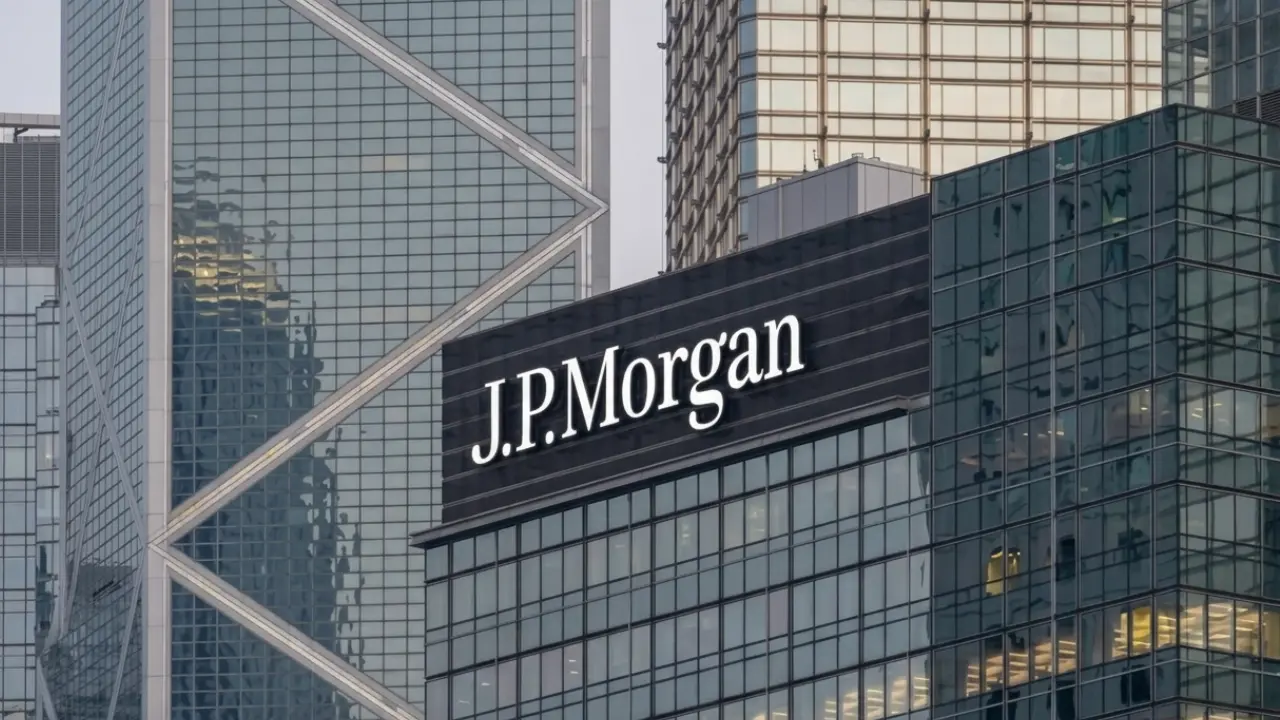
JPMorgan Just Posted Its Best Quarter Ever, And Wall Street Is Cheering
JPMorgan Chase reported second quarter net income of $16.9 billion after excluding a gain tied to its Visa stake, with earnings of $6.14 per share beating analyst estimates of $5.59.
The bank said every line of business hit record revenue during the quarter, with equity markets revenue jumping 86% year over year to $6 billion, according to the Q2 earnings release.
Bank of America posted similarly strong numbers alongside its rival. The bank’s profit rose to $9.1 billion in the April through June period, up 27% from the $7.2 billion it earned a year earlier, even as its shares slipped slightly in early trading.
Together with Goldman Sachs, Citigroup and Wells Fargo, the five largest U.S. banks cleared roughly $49 billion in combined quarterly profit, a 39% jump from the prior year.
Analysts covering the sector say the bank stock rally has legs. Morgan Stanley, Goldman Sachs and Citigroup have each gained more than 20% this year on strong trading revenue and an improving IPO market, while JPMorgan and Bank of America have only recently started to rally.
Readers tracking their own accounts through a savings rate comparison will notice the same competitive pressure showing up across the financial sector this quarter, not just on Wall Street trading desks.
Trading desks did much of the heavy lifting. A pace of mergers on track for a record year, alongside a broadening of trading activity across equities and fixed income in multiple regions, drove much of the quarter’s strength, according to Wells Fargo analyst Mike Mayo.
The activity was fueled in part by unusually large listings; 48 IPOs raised a record near $105 billion for the quarter, with most of that tied to a single massive offering that alone brought in more money than all of 2024 and 2025 combined, per Renaissance Capital data.
JPMorgan’s results also pushed it toward a milestone rarely seen in American banking. The bank’s market capitalization stood at about $935 billion, putting it on track to become the first bank ever to reach a $1 trillion valuation. For readers watching a household budget rather than a trading terminal, the bigger takeaway is what bank executives said about the economy behind the numbers.
JPMorgan CEO Jamie Dimon struck a mixed tone even while touting the results. He described a particularly favorable environment with elevated market activity, while also flagging risks including geopolitical instability, persistent inflation and stretched asset valuations.
Consumer lending held up during the quarter as well, with low unemployment keeping borrowers current on mortgages, auto loans and credit cards, and delinquency rates generally smaller than they were a year earlier.
Strong bank earnings do not directly change what a saver or borrower experiences day to day, but they reflect a financial system still absorbing higher for longer interest rates without major credit stress.
Investors holding bank shares through index funds have benefited from the sector’s run, while anyone shopping for a mortgage or a savings account should expect banks to keep competing hard for deposits as long as trading and dealmaking stay this profitable.