Gold Price Today, September 3, 2026: Gold Surges Near $4,500 as Fed Hike Bets Drop and Iran Risk Grows
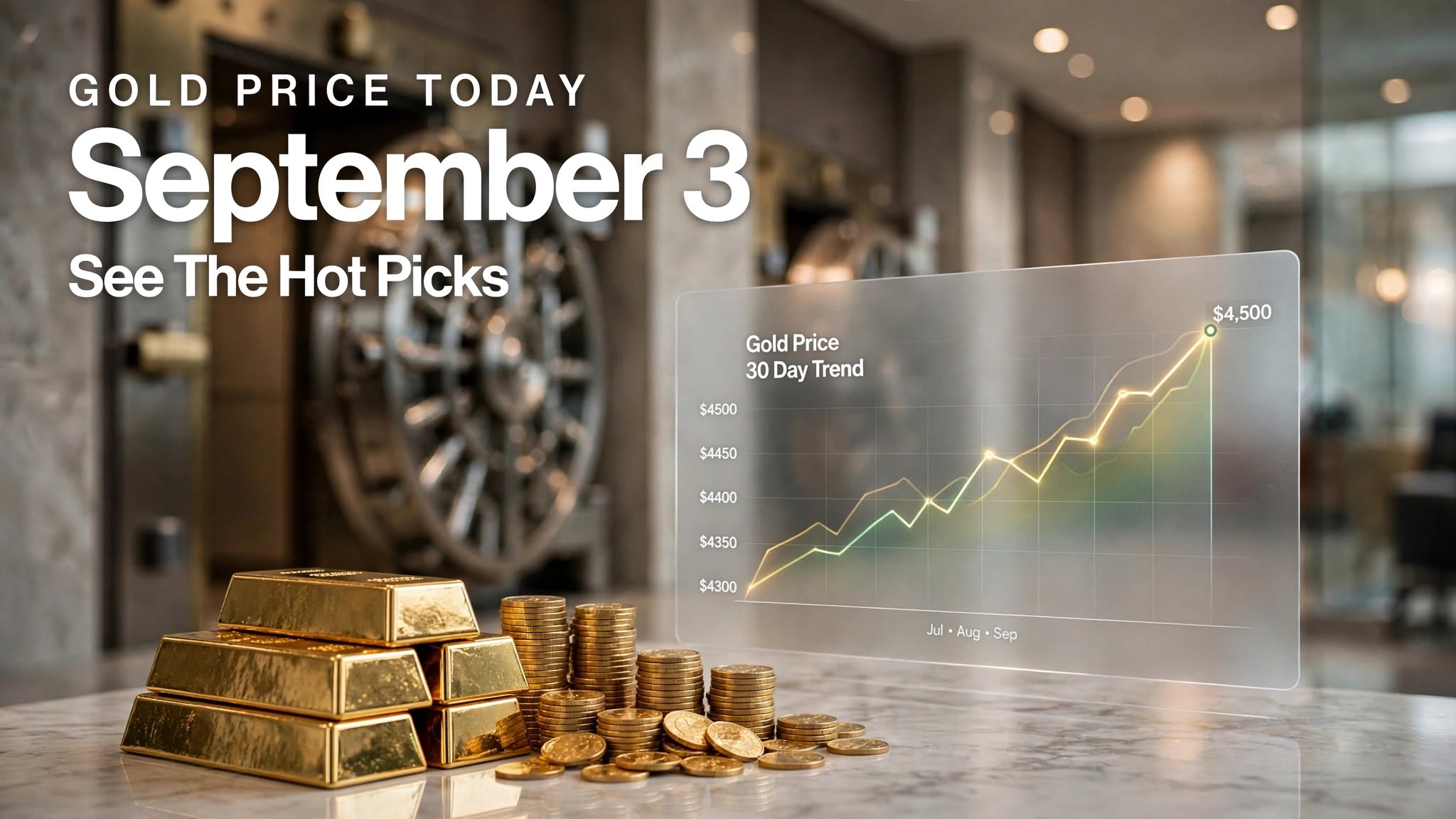
Gold prices surged toward $4,500 an ounce on Thursday, September 3, as investors reacted to a sudden shift in Federal Reserve rate expectations while renewed fighting involving Iran kept geopolitical risk high.
The move puts gold back near a major psychological level after a volatile start to September. Lower Treasury yields and a weaker U.S. dollar helped gold, while worries about oil supplies and the conflict around the Strait of Hormuz added another reason for investors to seek safety.
The latest market readings showed:
- Spot gold: $4,491.55 per ounce, up 2.4% by 12:18 p.m. ET
- December gold futures: $4,539.20 per ounce, up 2.8%
- Spot silver: $67.14 per ounce, up 2.8%
- Platinum: $1,826.58 per ounce, up 3.8%
- Palladium: $1,424.75 per ounce, up 5.9%
- 10-year Treasury yield: about 4.75%
- 2-year Treasury yield: about 4.33%
- Brent crude: about $95.75 per barrel
- U.S. crude: about $91.51 per barrel
- September Fed hike probability: about 54%, down from roughly 62% before Waller’s remarks
The biggest change came from the Federal Reserve.
Fed Governor Christopher Waller said Thursday that recent data show signs inflation may finally be cooling. In his official Fed remarks, Waller said that if upcoming data confirm the improvement, he would be inclined to support keeping the federal funds rate unchanged at the Fed’s September 15–16 meeting.
That was important for gold because higher interest rates usually make a non-interest-paying asset such as gold less attractive. When investors see a smaller chance of further rate increases, the pressure can move in the opposite direction.
Traders lowered the estimated probability of a September rate increase to about 54% from roughly 62% before Waller spoke, according to the latest Reuters market report.
Treasury yields also moved lower. The 10-year yield fell to around 4.75% from 4.79% late Wednesday, while the 2-year yield dropped to about 4.33% from 4.39%, according to AP market data. Falling yields reduce the opportunity cost of holding gold and helped support Thursday’s rally.
The shift also helped calm parts of the broader stock market, where investors have been balancing high bond yields, inflation worries and expectations for the next Fed decision.
But the Middle East remains a major risk. Iran launched missiles and drones toward a U.S. base in Kuwait after heavy U.S. strikes earlier in the week. Reuters reported that the latest escalation pushed Brent crude above $96 during Thursday’s trading after oil had already climbed sharply this week.
The rise in oil prices matters for gold in two ways. A wider conflict or disruption to energy shipments can increase safe-haven demand. At the same time, expensive oil can keep inflation higher, making the Fed’s next decision harder.
That leaves gold caught between two powerful forces. Continued inflation could keep interest rates high, which is normally a headwind for bullion. But geopolitical risk, weaker yields and a less aggressive Fed outlook can support prices.
Investors are now turning to Friday’s U.S. employment report. The jobs numbers could quickly change expectations for the September Fed meeting. Strong hiring or wage pressure could revive rate-hike bets, while weaker labor data could strengthen the case for holding rates steady.
Next week’s inflation reports will be another major test. Waller made clear that his position depends on whether the recent improvement in inflation continues.
For traders watching stocks to watch, bonds, oil and precious metals, the Fed and Iran are now driving several markets at the same time.
Gold reaching $4,500 is not guaranteed. But after Thursday’s surge to within a few dollars of that level, the next U.S. jobs report, Treasury yields, the dollar and developments around Iran could decide whether gold finally breaks through or pulls back again.