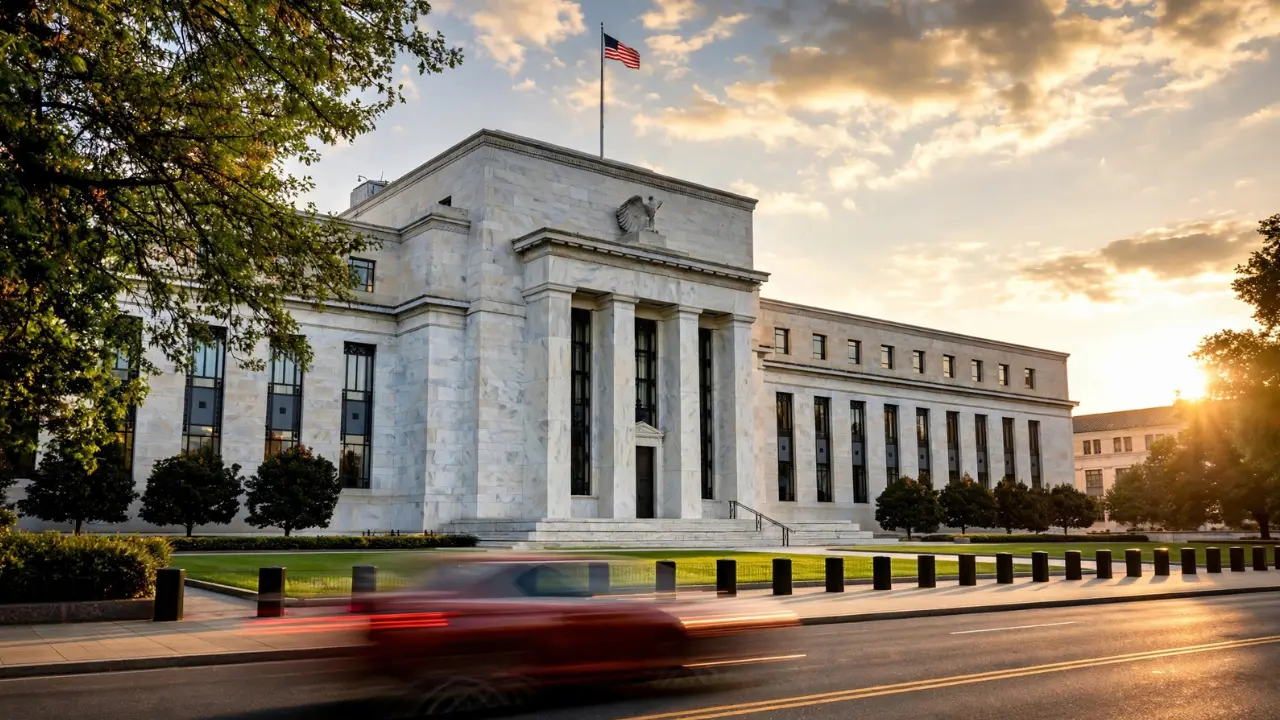
Fed Holds Interest Rates Again: What It Means for Your Savings Account
If you have money sitting in a savings account or a CD, this week’s news is worth thirty seconds of your attention. The Federal Reserve just kept interest rates exactly where they were, which means your bank has little reason to raise what it pays you anytime soon.
What actually happened
The Federal Reserve voted 9-3 on Wednesday to hold its key interest rate steady in a range between 3.5% and 3.75%, marking the fifth straight meeting without a change. Three regional Fed presidents pushed for a rate hike instead, the most dissenting votes in nearly a decade, a sign policymakers are genuinely split on how to handle inflation that has stayed stubborn for years.
Fed Chair Kevin Warsh, in only his second meeting leading the central bank, told reporters the Fed will take whatever steps are necessary to hit its 2% inflation goal, even while declining to signal exactly when that might happen. That uncertainty rattled markets briefly, but for savers, the headline is simpler: the rate that shapes what banks pay on deposits didn’t move.
What this means for your money
When the Fed holds rates, banks generally hold their savings and CD rates too. If you’ve been earning a solid annual percentage yield, or APY (the real return on your money once compounding is included), on a high-yield savings account or CD, that rate isn’t likely to drop this week. But it also isn’t likely to climb. If you’ve been waiting for savings rates to rise before locking in a CD, this Fed decision doesn’t change that calculation.
The bigger risk sits on the other side of the ledger. Investors are now pricing in a real chance of a rate hike later this year, not a cut, largely because energy prices tied to the ongoing conflict in the Middle East keep pushing inflation higher. A hike, if it comes, would eventually push savings rates up too, but it also tends to make borrowing, credit cards, and variable-rate loans more expensive first.
A global pattern, not just a U.S. one
This isn’t only happening at home. The Bank of England also held its own rate at 3.75% this week, the fifth time it has done so this year, as policymakers there weigh the same energy-driven inflation risk. Central banks around the world are essentially in a holding pattern, watching the same geopolitical risk before making their next move. That matters for U.S. savers mainly as a signal: this isn’t a uniquely American slowdown, it’s a global one, which makes a sudden reversal less likely in the near term.
For now, the most useful move is simply to keep shopping. Online banks and credit unions are still competing hard for deposits, and rates vary meaningfully between institutions even while the Fed sits still.
Our full breakdown of which banks currently offer the strongest deposit rates walks through where that competition is sharpest, and our explainer on the U.S. banking system covers how the Fed’s rate actually flows through to your bank account. If you’re also watching how bank profits are holding up in this environment, JPMorgan’s record financial results this quarter offer a useful data point, and it’s worth tracking which institutions raise savings rates first once the picture shifts.



[…] However, as policy expectations shift, banks quickly adjust their payout terms. Readers tracking personal money strategies can see how central bank rate pauses affect personal savings by checking how Fed rate holds impact high-yield savings accounts. […]